

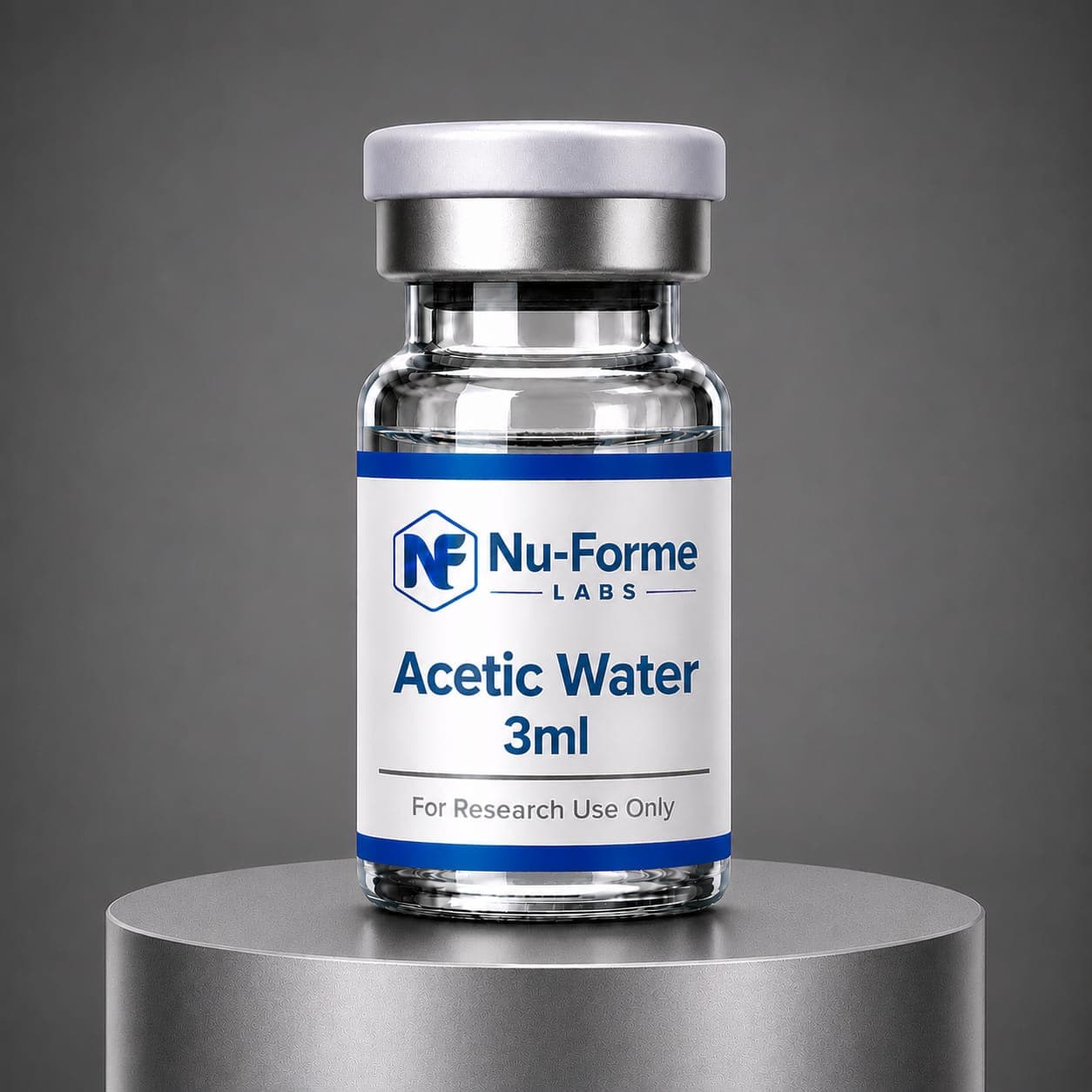
Acetic Water
Acetic Water is a sterile, mildly acidic solution commonly used for reconstituting certain research peptides that require a lower-pH environment. For research use only; not intended for human consumption.
$15.00
Choose optionsAcetic Water is a sterile, mildly acidic solution commonly used for reconstituting certain research peptides that require a lower-pH environment. For research use only; not intended for human consumption.

Bacteriostatic Water is sterile water containing 0.9% benzyl alcohol, which helps inhibit bacterial growth after the vial is opened. It is commonly used as a diluent for compatible medications and laboratory compounds. Use only as directed by a qualified professional.
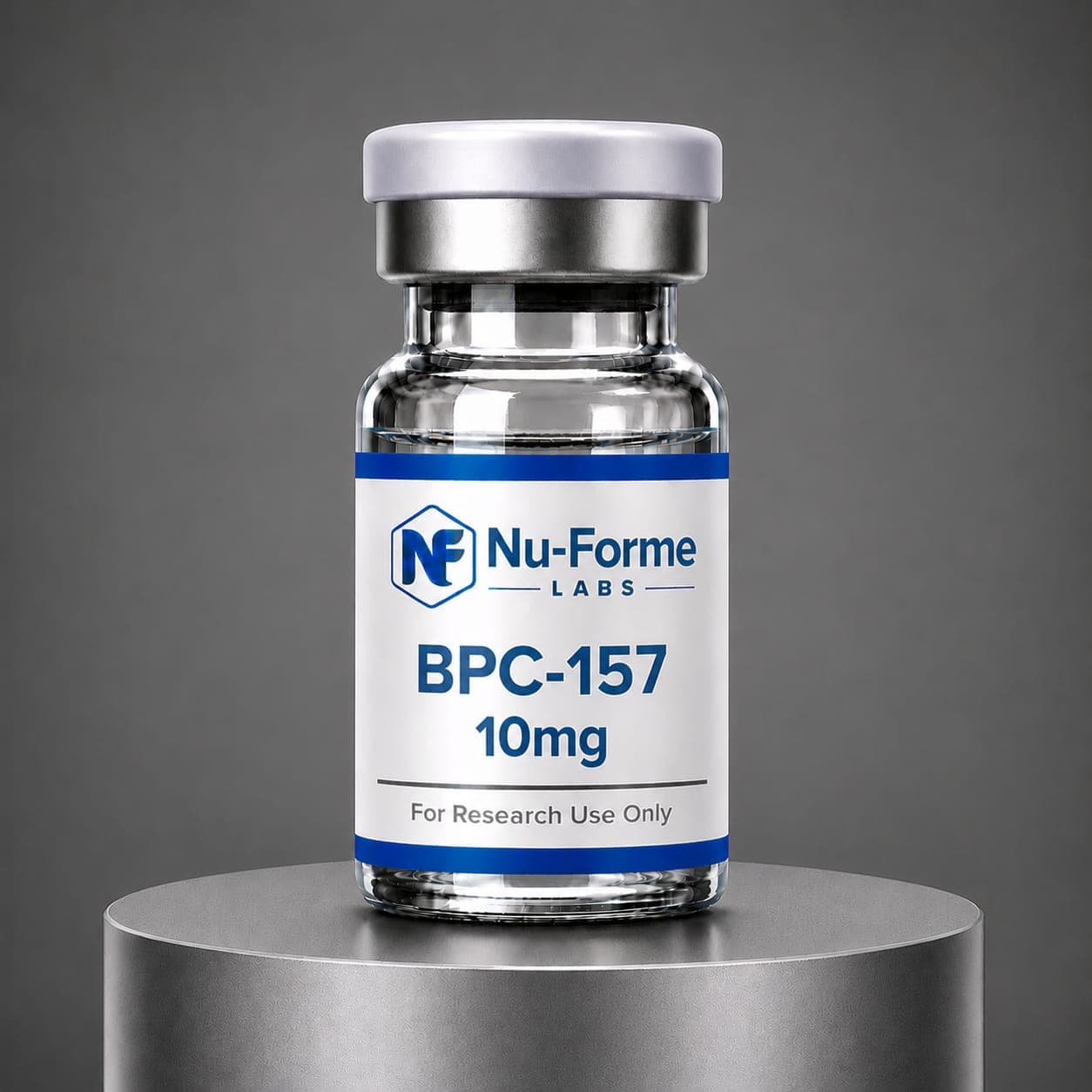
BPC-157 (Body Protection Compound-157) is a synthetic peptide made up of 15 amino acids, derived from a protective protein found in human gastric (stomach) juice. Key points: What it is: A partial sequence based on a naturally occurring protein in gastric juice, synthesized in a lab Main interest: Studied primarily for tissue healing and repair — tendons, ligaments, muscle, and the gut lining Popular uses: Explored in research for injury recovery, gut healing (ulcers, IBD), joint/tendon repair, and reducing inflammation Forms: Available as injectable (subcutaneous, most common in research settings)
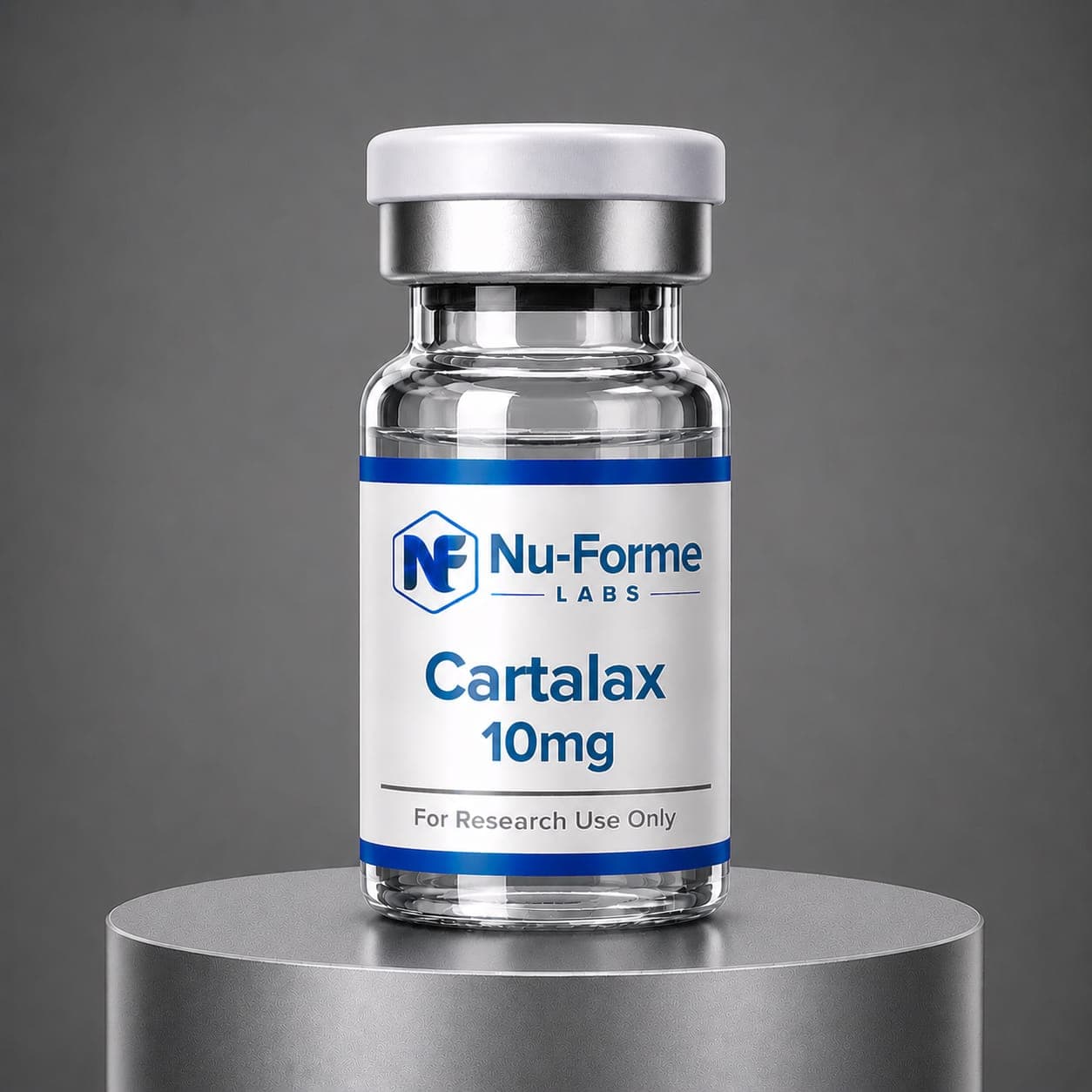
Cartalax is a synthetic peptide bioregulator developed by Russian scientist Vladimir Khavinson, part of a family of short peptides marketed for tissue-specific "regulation" and anti-aging purposes. Key points: What it is: A synthetic tetrapeptide (Ala-Glu-Asp-Gly / AEDG) designed to mimic naturally occurring regulatory peptides in cartilage tissue Main interest: Marketed specifically for cartilage and joint health — theorized to support chondrocyte (cartilage cell) function and slow cartilage degeneration Proposed mechanism: Based on Khavinson's "peptide bioregulator" theory — short peptides are claimed to help regulate gene expression and protein synthesis in specific tissue types (in this case, cartilage), though the mechanism isn't well validated by mainstream Western science Popular uses: Explored (mostly in Russian research) for osteoarthritis, joint degeneration, and general cartilage support/anti-aging Research status: Studies are almost entirely from Russian research groups (often linked to Khavinson's own institute)