
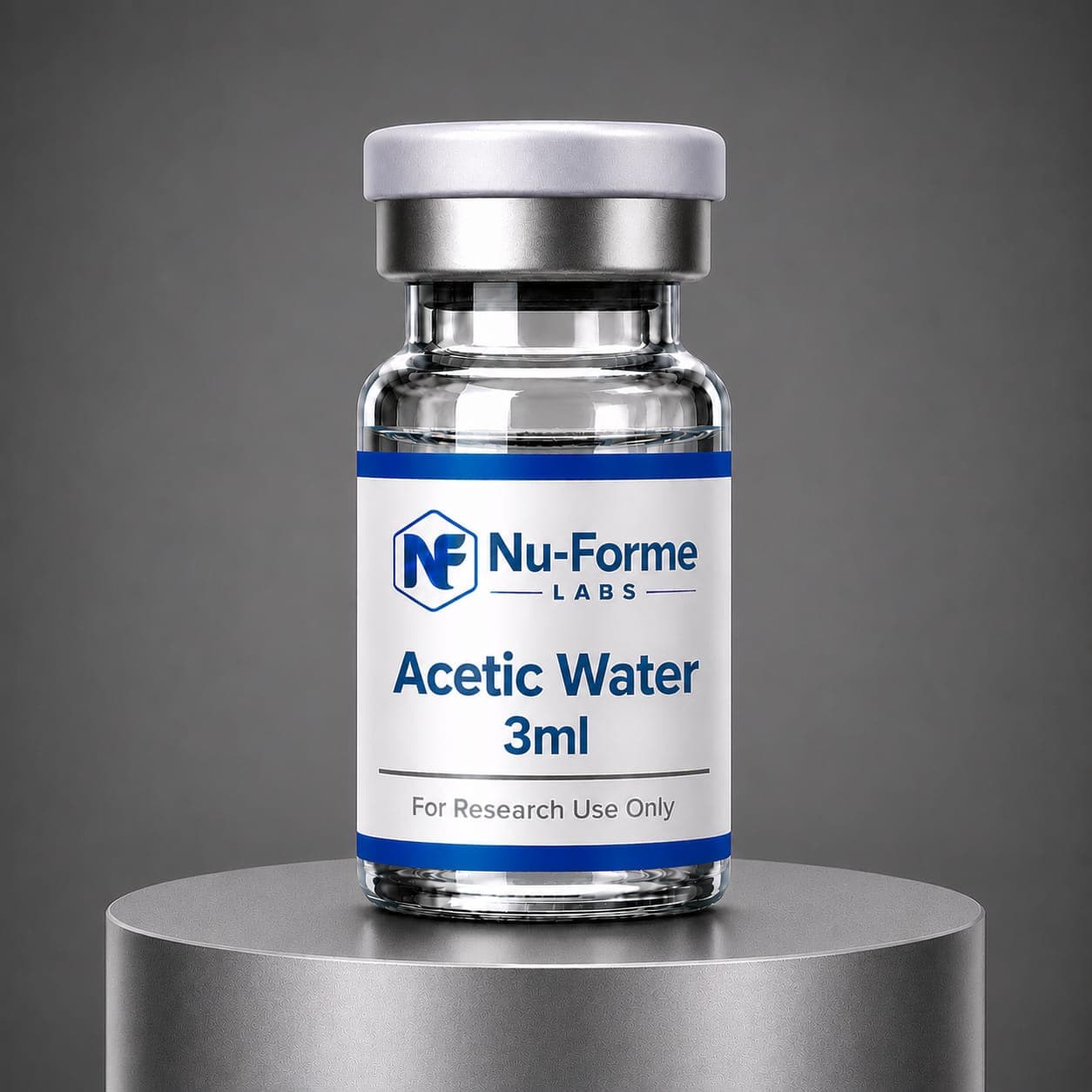
Acetic Water
Acetic Water is a sterile, mildly acidic solution commonly used for reconstituting certain research peptides that require a lower-pH environment. For research use only; not intended for human consumption.
$15.00
Choose options
Trusted products, clear prices, better value without the noise. 24 items in stock.
Acetic Water is a sterile, mildly acidic solution commonly used for reconstituting certain research peptides that require a lower-pH environment. For research use only; not intended for human consumption.
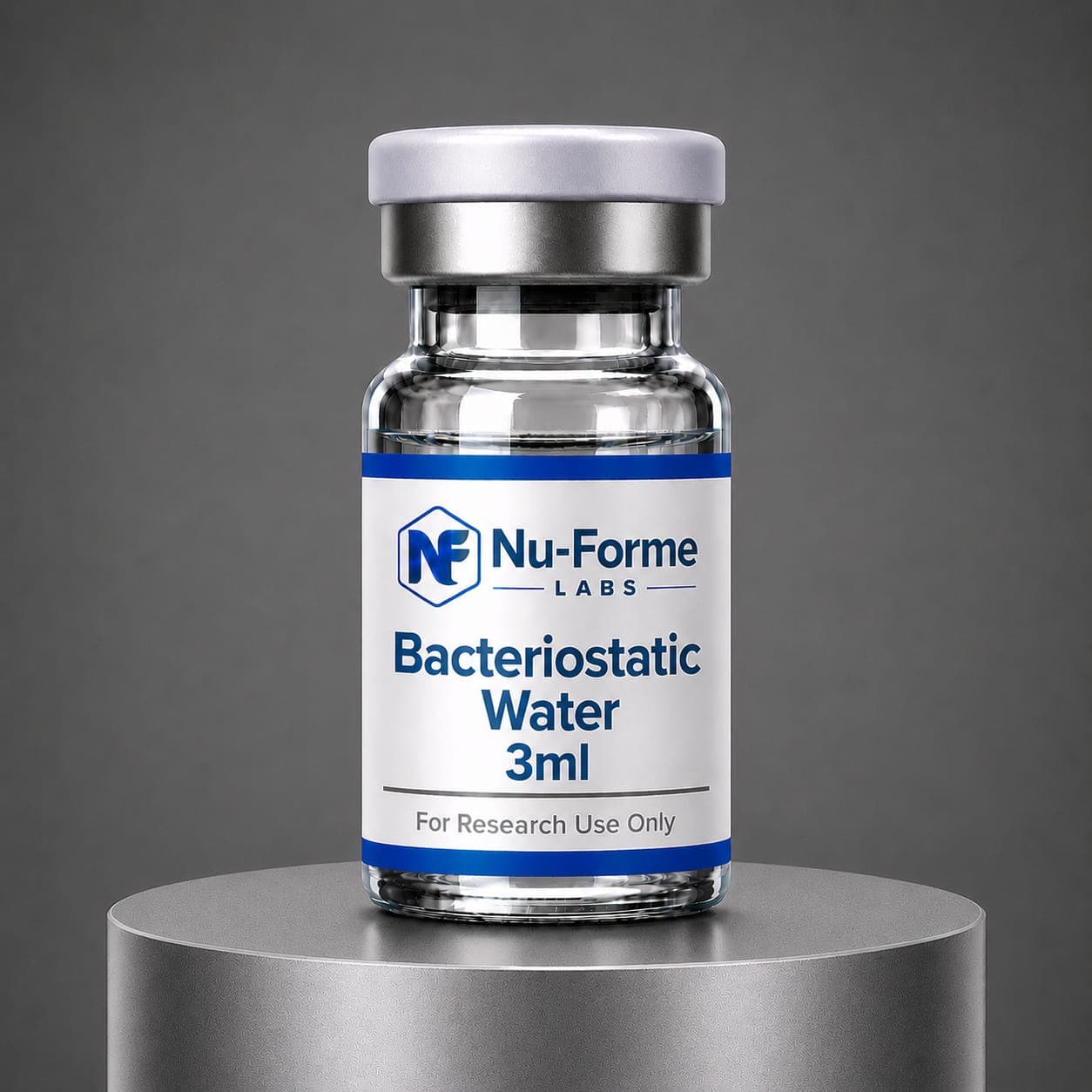
Bacteriostatic Water is sterile water containing 0.9% benzyl alcohol, which helps inhibit bacterial growth after the vial is opened. It is commonly used as a diluent for compatible medications and laboratory compounds. Use only as directed by a qualified professional.
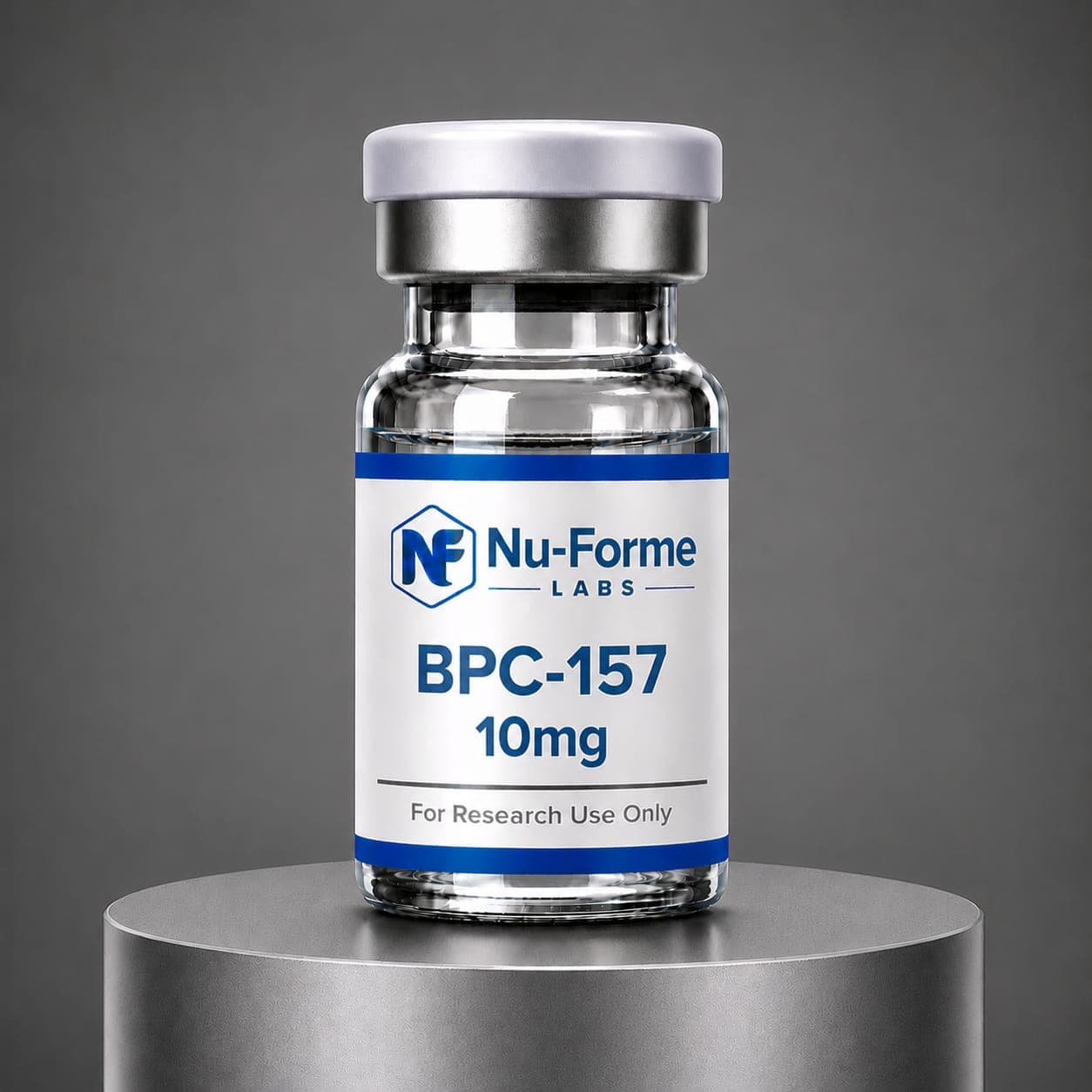
BPC-157 (Body Protection Compound-157) is a synthetic peptide made up of 15 amino acids, derived from a protective protein found in human gastric (stomach) juice. Key points: What it is: A partial sequence based on a naturally occurring protein in gastric juice, synthesized in a lab Main interest: Studied primarily for tissue healing and repair — tendons, ligaments, muscle, and the gut lining Popular uses: Explored in research for injury recovery, gut healing (ulcers, IBD), joint/tendon repair, and reducing inflammation Forms: Available as injectable (subcutaneous, most common in research settings)
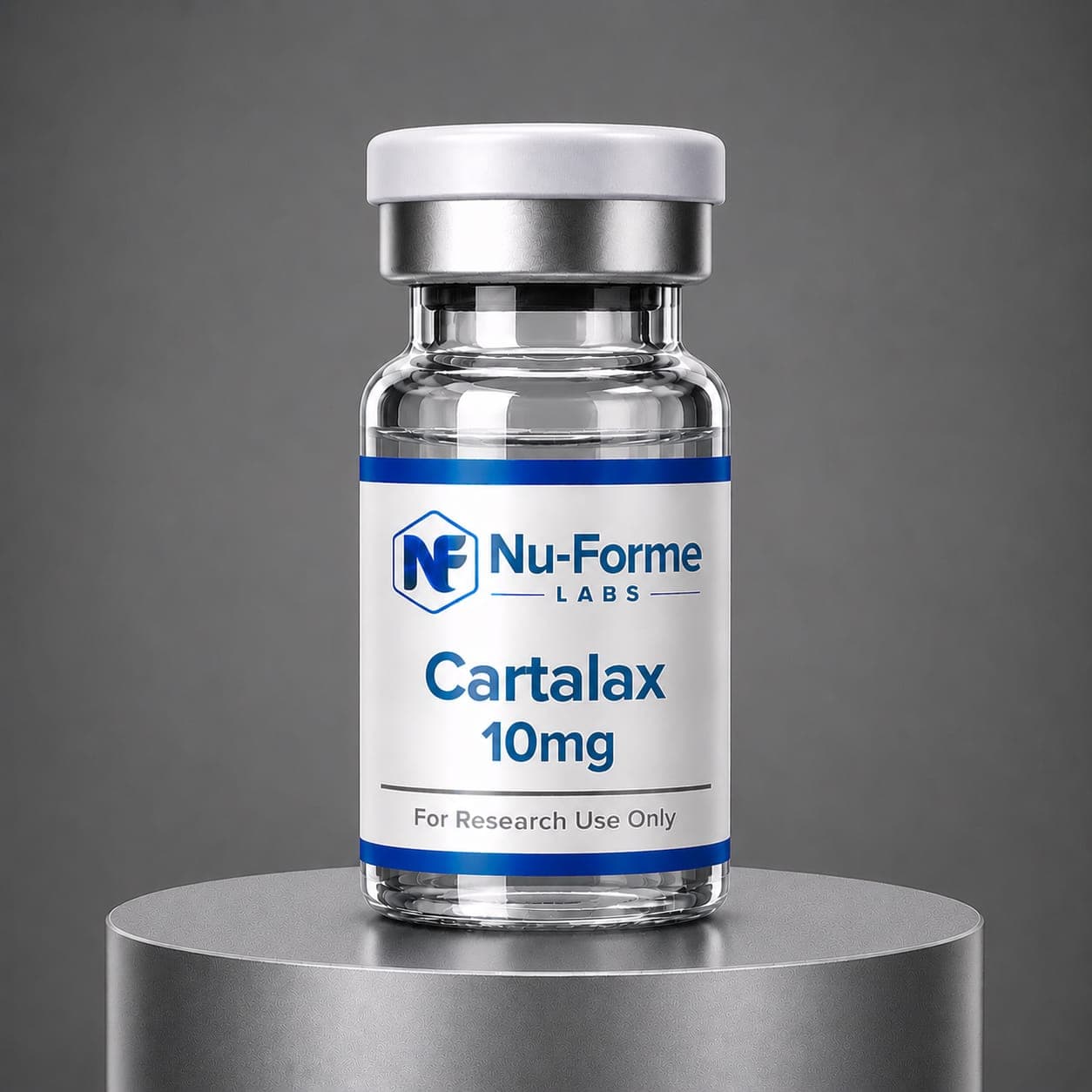
Cartalax is a synthetic peptide bioregulator developed by Russian scientist Vladimir Khavinson, part of a family of short peptides marketed for tissue-specific "regulation" and anti-aging purposes. Key points: What it is: A synthetic tetrapeptide (Ala-Glu-Asp-Gly / AEDG) designed to mimic naturally occurring regulatory peptides in cartilage tissue Main interest: Marketed specifically for cartilage and joint health — theorized to support chondrocyte (cartilage cell) function and slow cartilage degeneration Proposed mechanism: Based on Khavinson's "peptide bioregulator" theory — short peptides are claimed to help regulate gene expression and protein synthesis in specific tissue types (in this case, cartilage), though the mechanism isn't well validated by mainstream Western science Popular uses: Explored (mostly in Russian research) for osteoarthritis, joint degeneration, and general cartilage support/anti-aging Research status: Studies are almost entirely from Russian research groups (often linked to Khavinson's own institute)
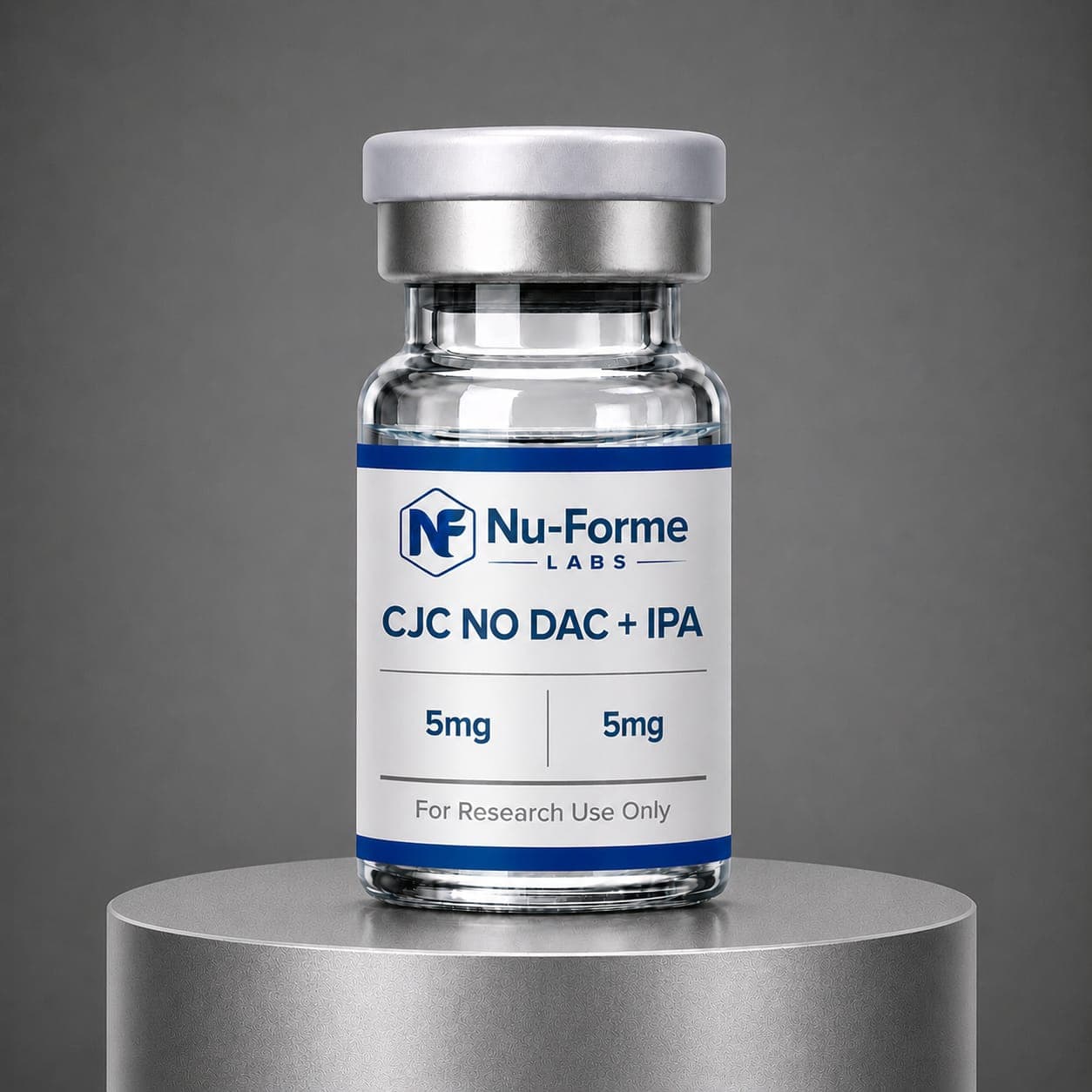
CJC-1295 without DAC and Tesamorelin are synthetic analogs of growth hormone–releasing hormone (GHRH). Both act on the pituitary gland to stimulate the body’s natural release of growth hormone, which may subsequently increase insulin-like growth factor 1 (IGF-1).
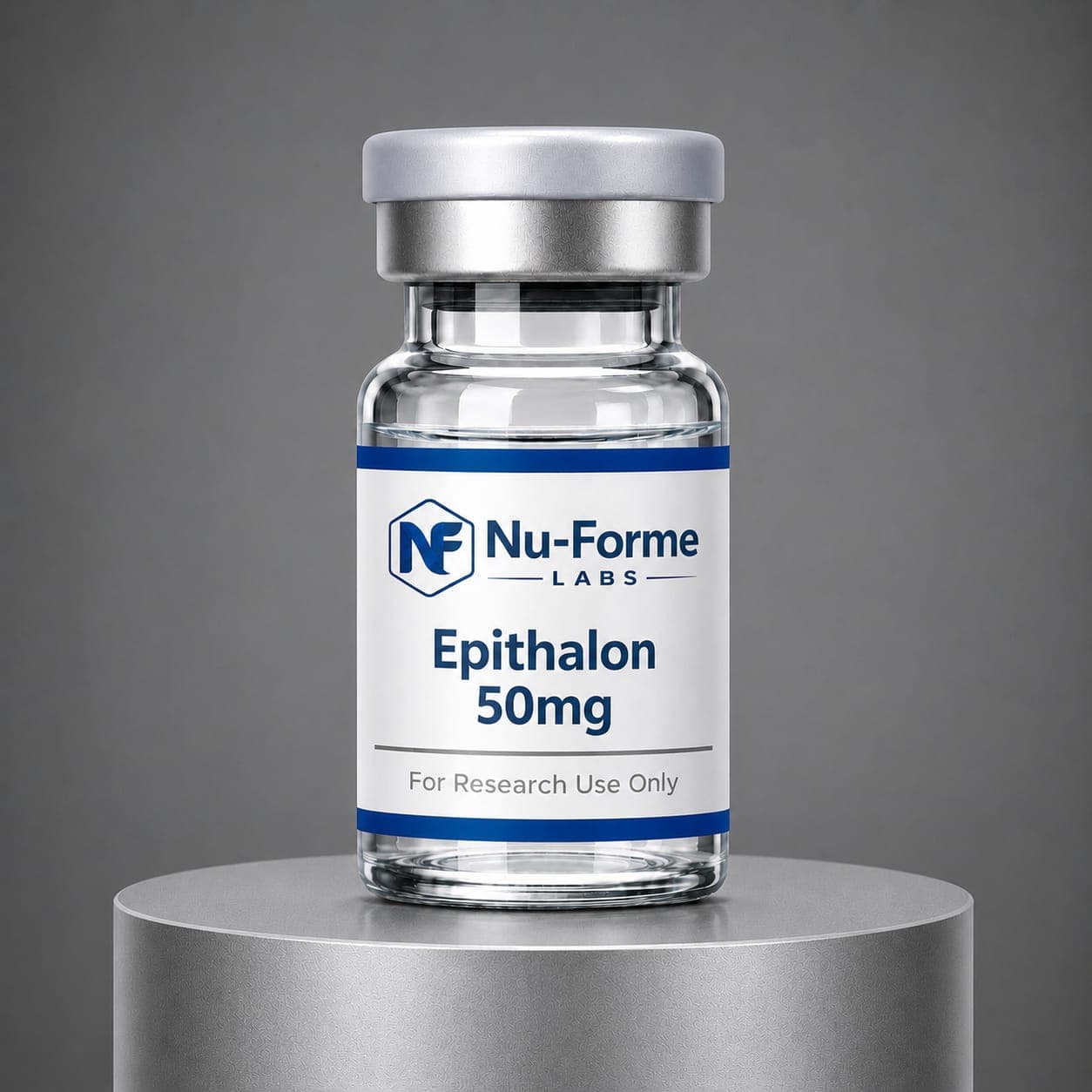
Epitalon, also known as Epithalon or Epithalone, is a synthetic tetrapeptide composed of four amino acids: alanine, glutamic acid, aspartic acid, and glycine (AEDG). It was developed based on naturally occurring peptide components associated with the pineal gland.
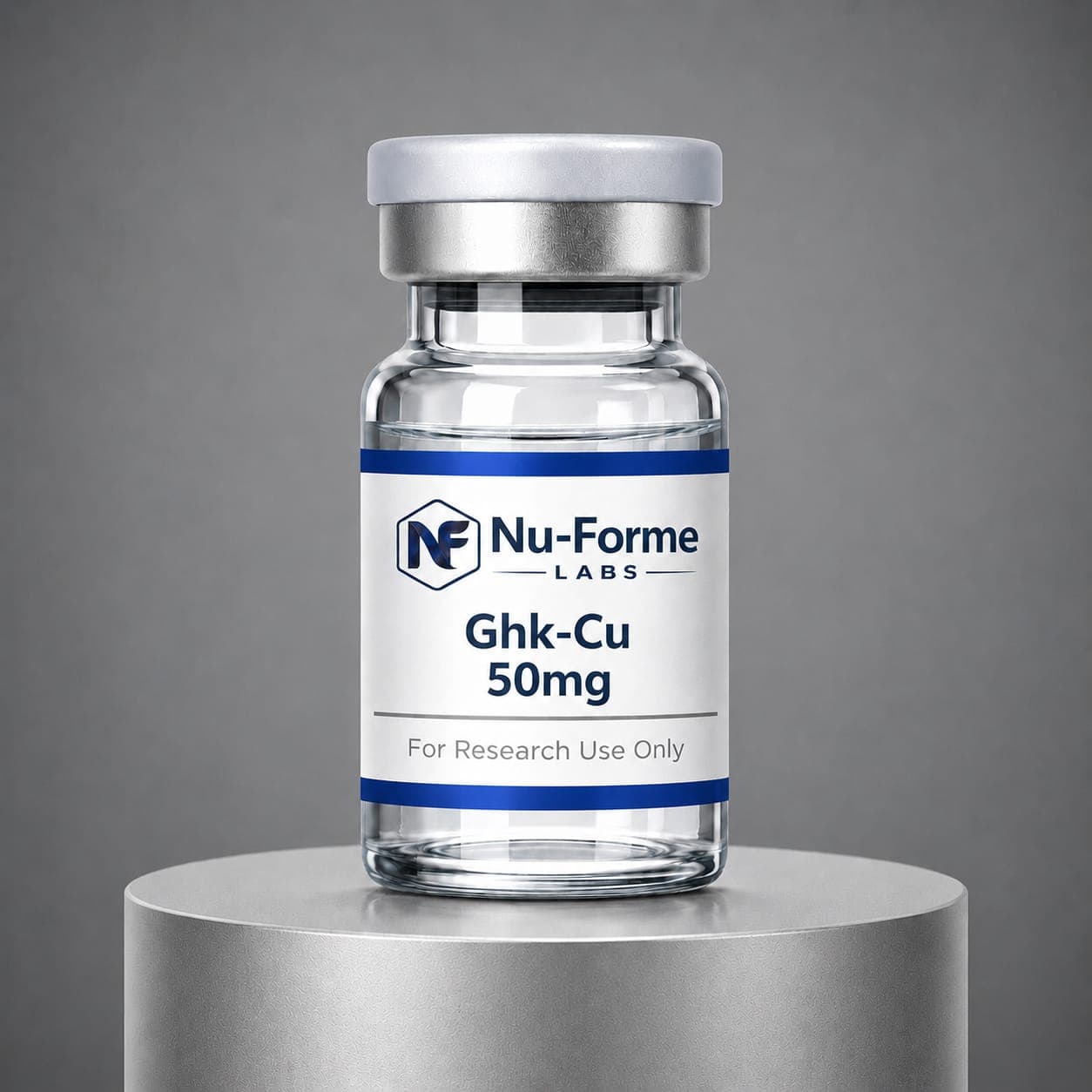
A copper-binding peptide widely researched for its potential to support skin regeneration, wound healing, hair health, and tissue repair.
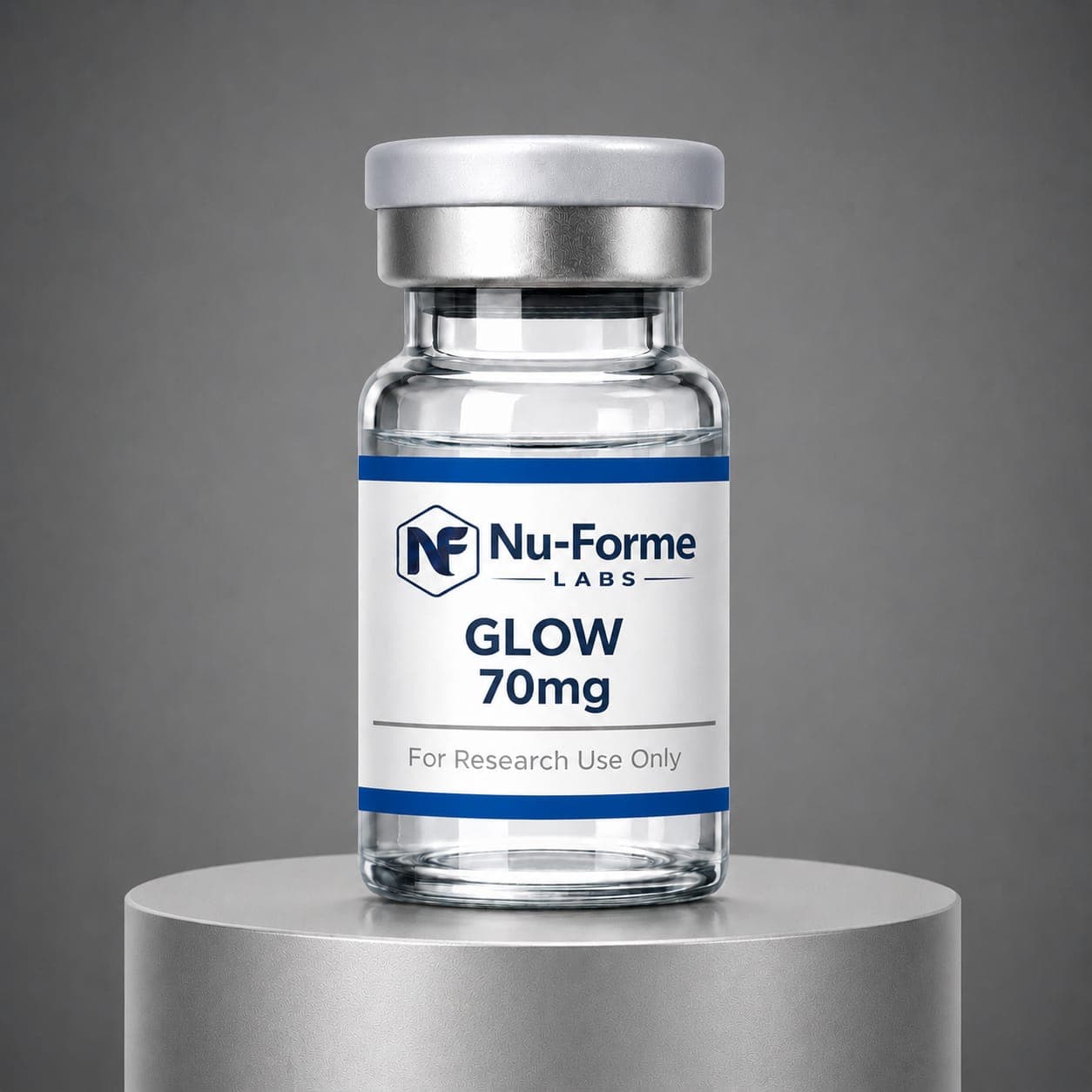
A peptide blend researched for its potential to support skin health, collagen production, and overall skin appearance.
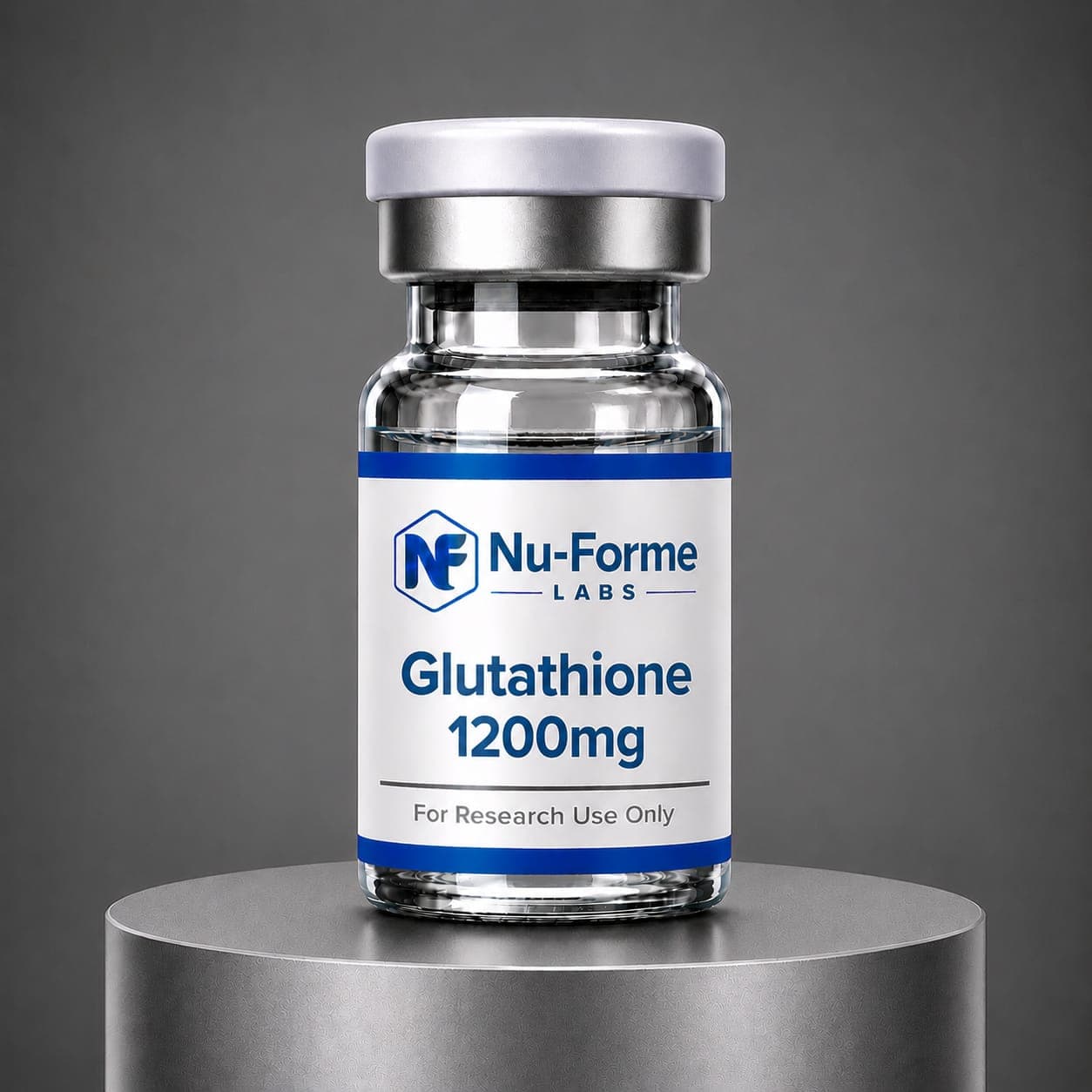
Glutathione (1200mg) is a dietary supplement typically taken to boost levels of glutathione, the body's most abundant antioxidant, which is naturally produced in cells but can decline due to aging, stress, poor diet, or illness.
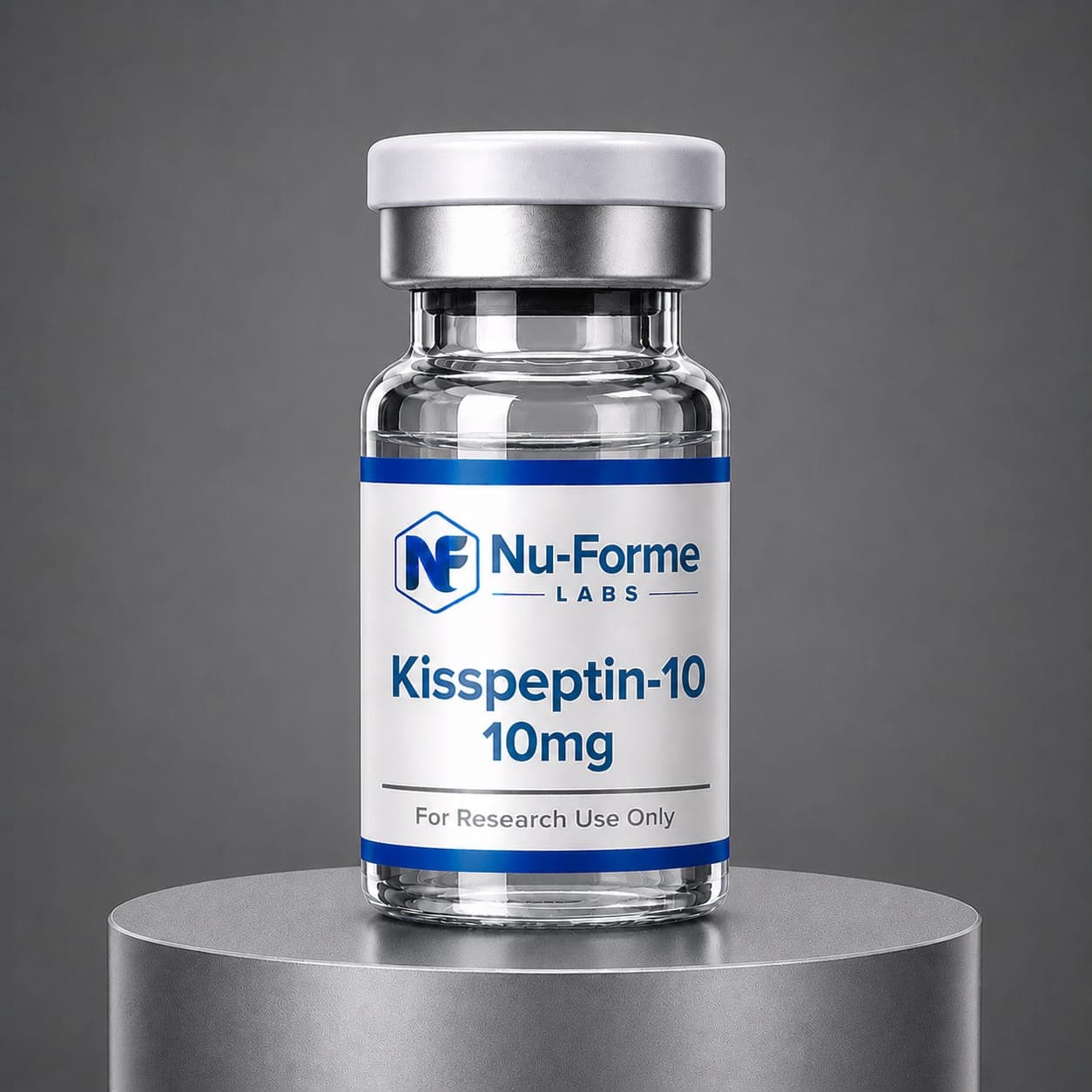
Kisspeptin is a naturally occurring peptide hormone (not synthetic in origin) that plays a central role in regulating the reproductive/hypothalamic-pituitary-gonadal (HPG) axis. Key points: What it is: A peptide encoded by the KISS1 gene, existing in several lengths (kisspeptin-54, -14, -13, -10), all sharing the same active C-terminal decapeptide Main function: Acts as the primary trigger for GnRH (gonadotropin-releasing hormone) release from the hypothalamus, which in turn drives LH/FSH release and downstream sex hormone production (testosterone, estrogen) Popular research uses: Fertility treatment, puberty disorders, hypogonadism, and as a diagnostic/research tool for reproductive endocrinology Forms: Primarily used as an injectable (IV or subcutaneous) in clinical research settings Research status: Has significant human clinical trial data (more than most peptides discussed so far), particularly in fertility/IVF research and reproductive endocrinology
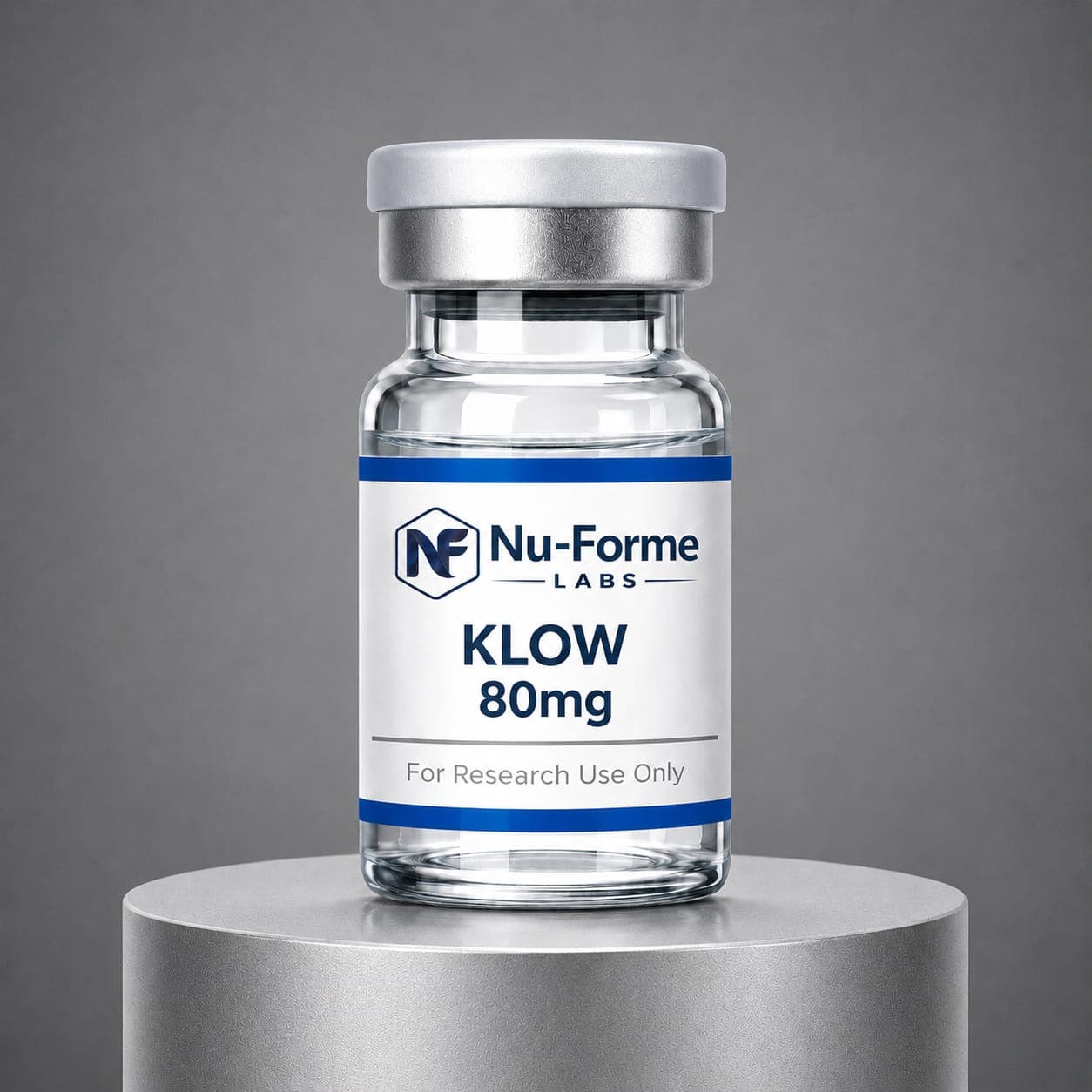
A peptide formulation researched for its potential to support overall wellness, recovery, and cellular health.
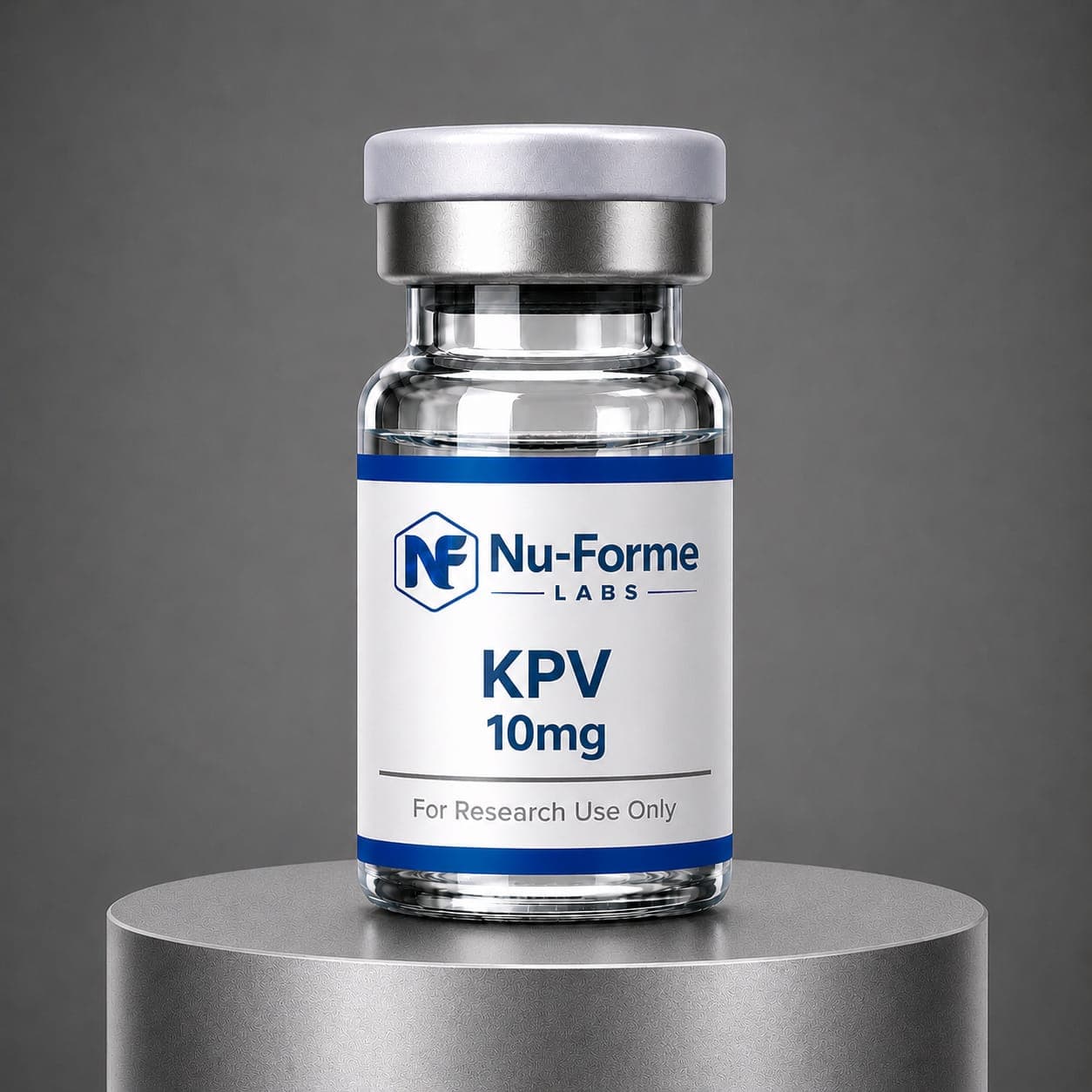
KPV is a naturally occurring fragment of α-MSH, but without the hormone's pigmentation/melanin effects Main interest: Studied primarily for its anti-inflammatory properties, largely independent of hormonal receptor activity Popular uses: Explored in research contexts for gut health (colitis, IBD), skin inflammation, wound healing, and general inflammatory conditions
The live catalog, cart, and checkout flow are authoritative for current products, variants, prices, inventory, and totals.
Canadian orders ship free when the merchandise subtotal is at least $150 CAD. Orders below that threshold use a flat $25.00 CAD shipping charge.
Orders remain pending until the e-transfer is reviewed and marked paid by an admin.
No. Editorial content is guidance only. Checkout calculates totals server-side from the current cart and shipping rules.