
Weight Management
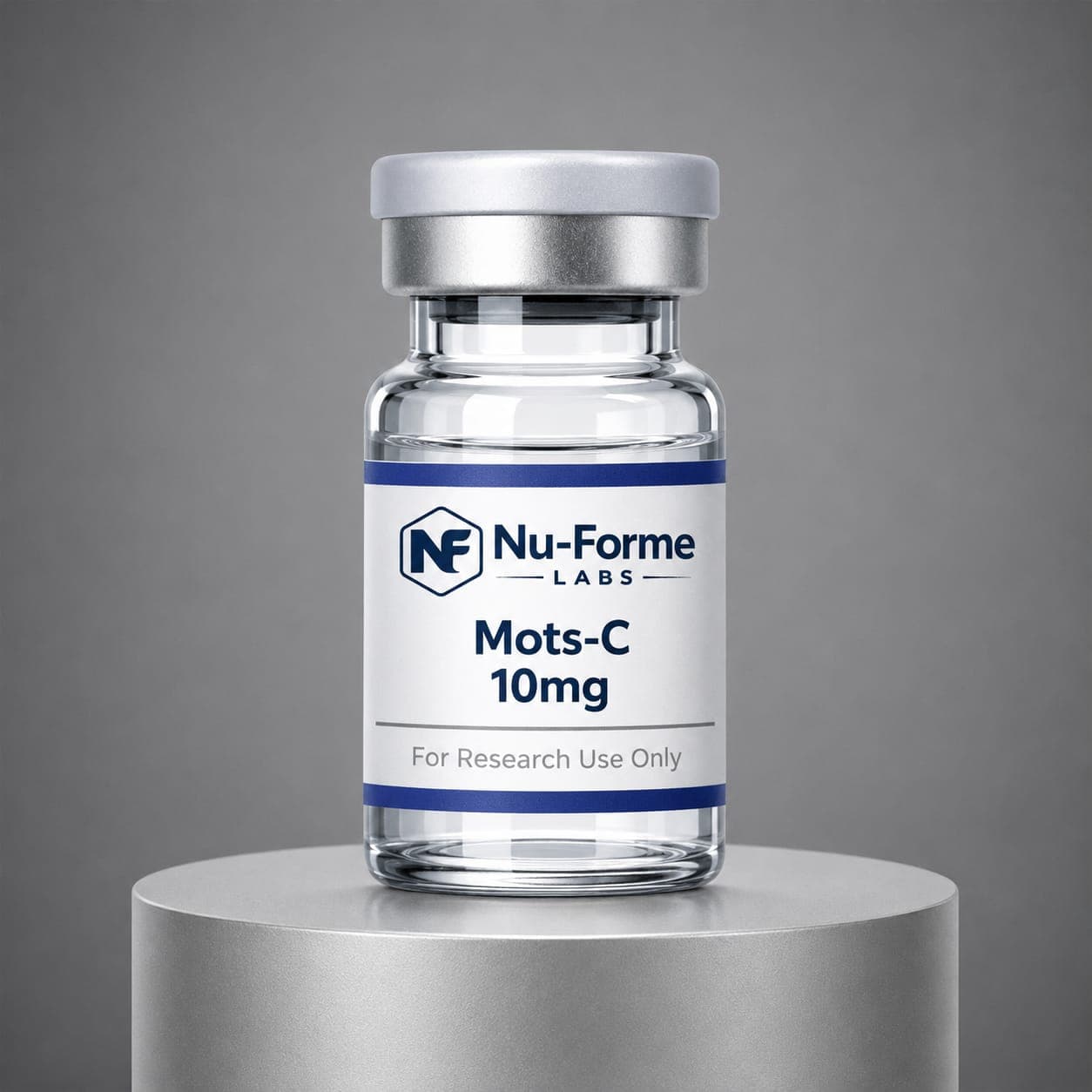
Mots-c
A mitochondrial-derived peptide being researched for its potential to support metabolic function, energy production, and exercise performance.
$55.00
Choose options
Trusted products, clear prices, better value without the noise. 24 items in stock.
A mitochondrial-derived peptide being researched for its potential to support metabolic function, energy production, and exercise performance.
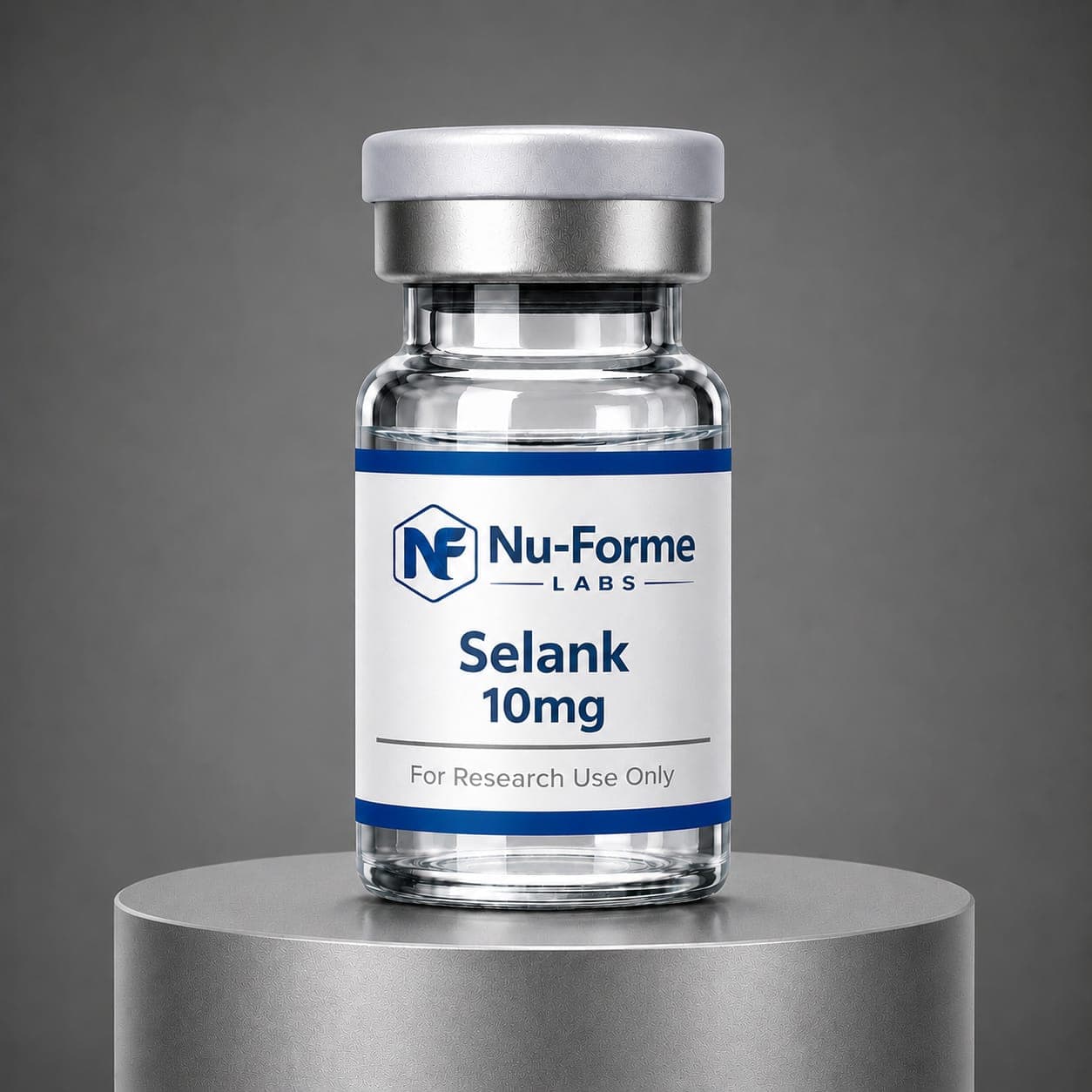
Selank is a synthetic peptide developed in Russia, structurally based on the naturally occurring immune peptide tuftsin, with additional amino acids added for stability. Key points: What it is: A modified analog of tuftsin, a tetrapeptide fragment of an antibody involved in immune function Main interest: Studied primarily as an anxiolytic (anti-anxiety) and mild nootropic agent Proposed mechanism: Modulates GABA system activity, influences serotonin/dopamine balance, and affects BDNF expression and inflammatory cytokines (IL-6) Popular uses: Explored in research for anxiety, stress, mild cognitive enhancement, and immune modulation
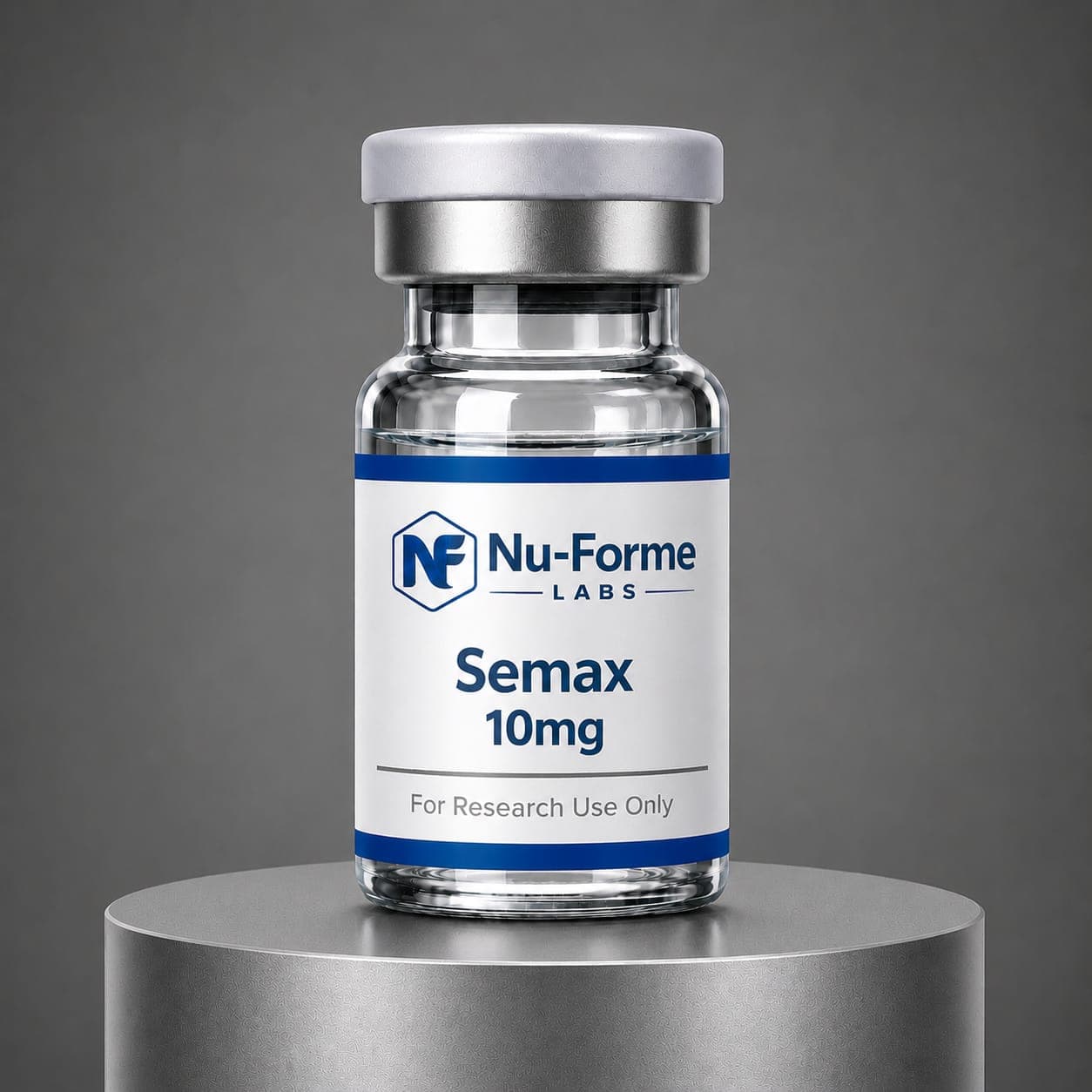
N-Acetyl Semax (NA-Semax) is a modified version of Semax, a synthetic peptide originally developed in Russia based on a fragment of ACTH (adrenocorticotropic hormone). Key points: What it is: Semax with an added acetyl group (N-acetylation), intended to improve stability and extend its duration of action compared to regular Semax Main interest: Studied primarily as a nootropic/cognitive enhancer and neuroprotective agent Proposed mechanism: Influences BDNF (brain-derived neurotrophic factor) and dopamine/serotonin systems; may support neuroplasticity and neuronal survival Popular uses: Explored in research for cognitive enhancement, memory, focus, stroke recovery, and neuroprotection Regulatory status: Approved as a prescription drug in Russia and some CIS countries (brand name Semax) for stroke and cognitive disorders Research status: More human data exists than for many peptides (due to Russian clinical use), NA-Semax specifically has even less independent research than standard Semax
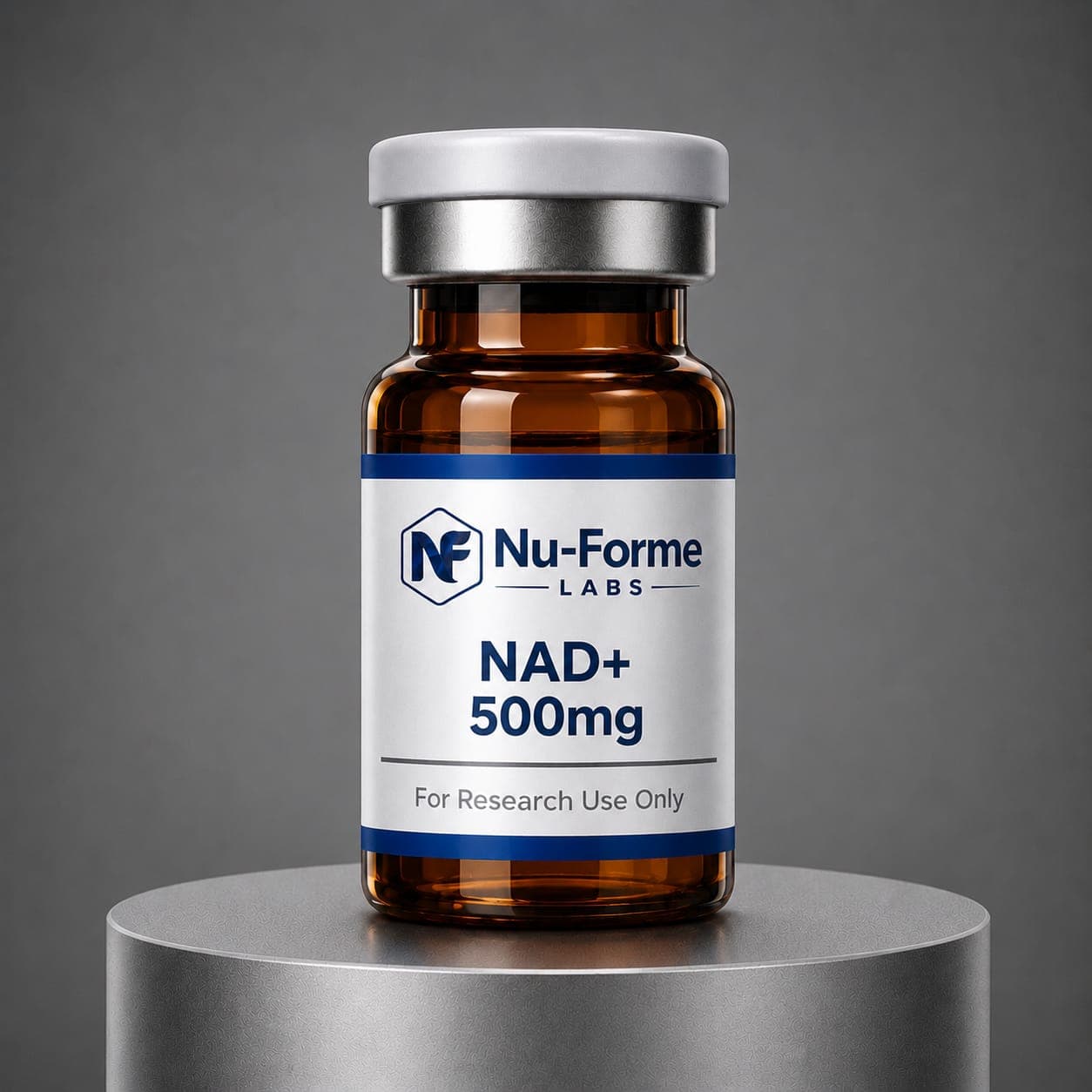
Naturally occurring coenzyme widely researched for its role in cellular energy production, healthy aging, and metabolic function.
Oxytocin is a naturally occurring peptide hormone produced in the hypothalamus and released by the pituitary gland. It plays an important role in reproductive physiology, particularly by stimulating uterine contractions during childbirth and supporting milk release during breastfeeding. Synthetic oxytocin is designed to reproduce the biological activity of the naturally occurring hormone.
PT-141, also known as bremelanotide, is a synthetic peptide that activates melanocortin receptors in the central nervous system. Unlike medications that act primarily on blood flow, bremelanotide is believed to influence neurological pathways involved in sexual desire and response.
A next-generation triple agonist peptide for its potential effects on weight management, metabolic health, and blood sugar regulation.
SS-31, also known as elamipretide, is a synthetic tetrapeptide designed to target mitochondria—the structures responsible for producing energy within cells. It interacts with cardiolipin, a specialized lipid found in the inner mitochondrial membrane that helps maintain mitochondrial structure and supports efficient cellular-energy production.
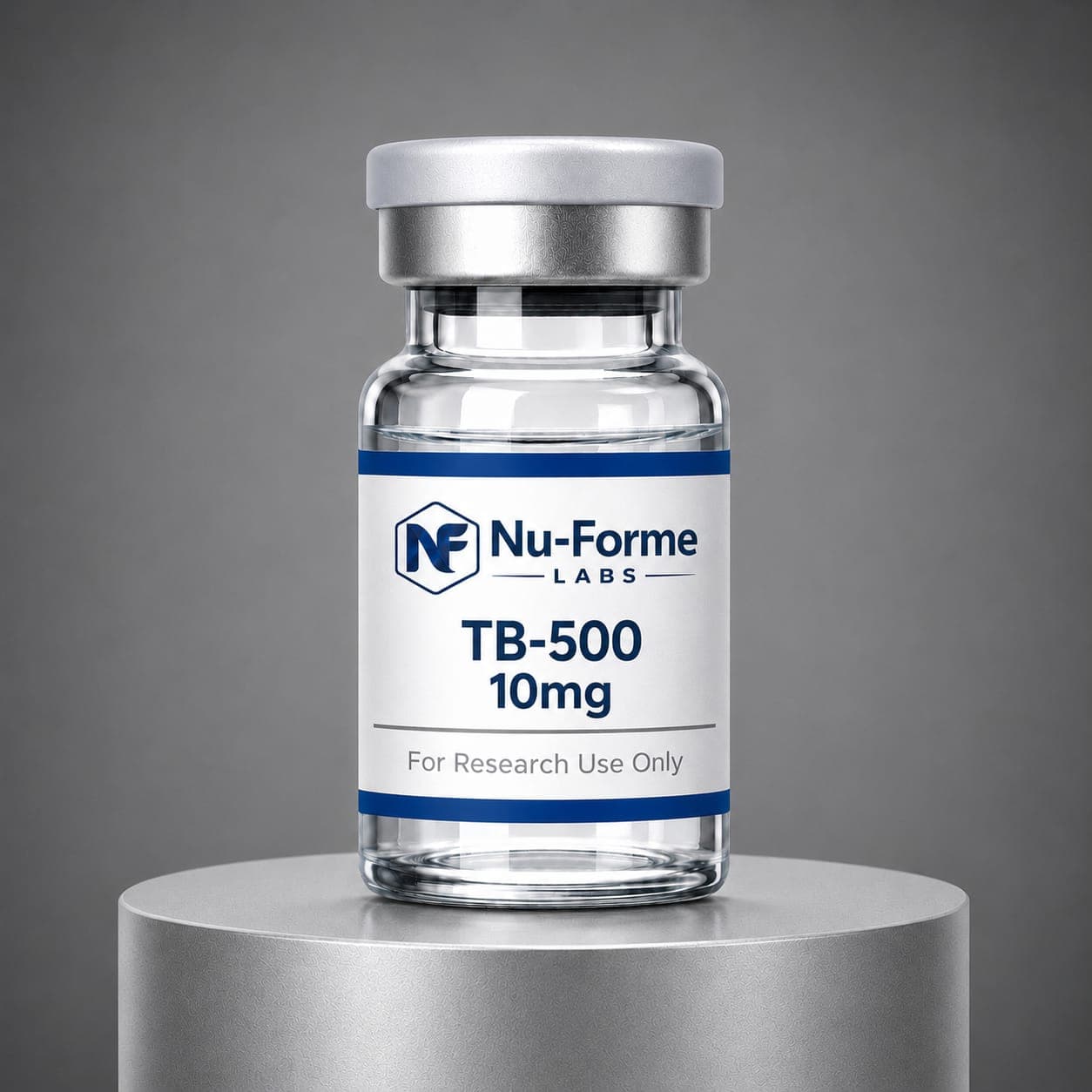
TB-500 is the synthetic version of a naturally occurring peptide fragment derived from Thymosin Beta-4 (Tβ4), a protein found in nearly all human and animal cells. Key points: What it is: A synthetic, shorter fragment mimicking the active region of Thymosin Beta-4 Main interest: Studied for tissue repair, wound healing, and recovery — particularly muscle, tendon, and cardiovascular tissue Proposed mechanism: Regulates actin (a protein involved in cell structure/movement), supporting cell migration to injury sites and promoting new blood vessel formation Popular uses: Explored in research for muscle injuries, tendon/ligament damage, wound healing, and cardiac tissue repair Forms: Primarily injectable (subcutaneous or intramuscular) in research/informal use
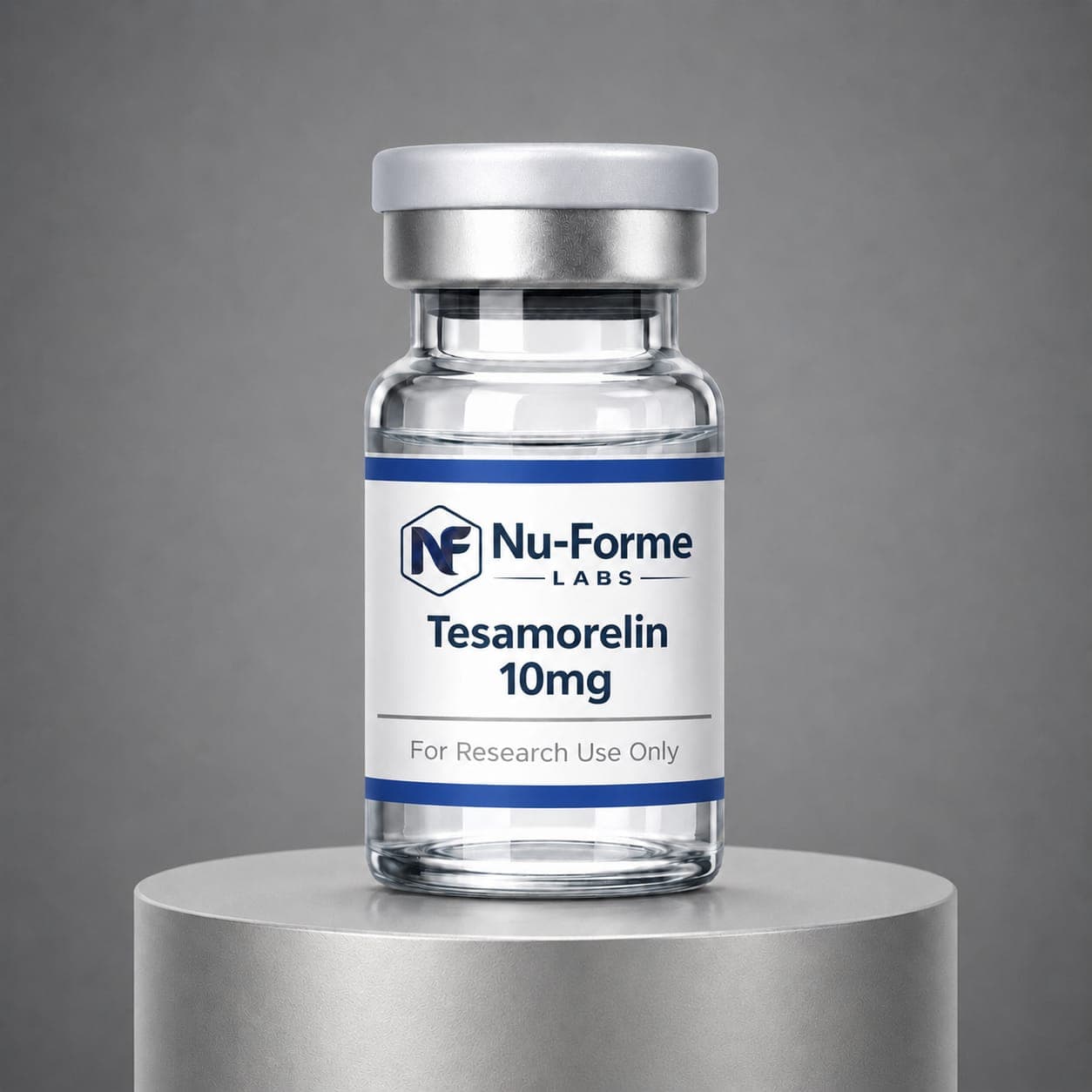
Tesamorelin is a synthetic research peptide and growth hormone–releasing hormone (GHRH) analog, widely studied for its role in stimulating endogenous growth hormone secretion.
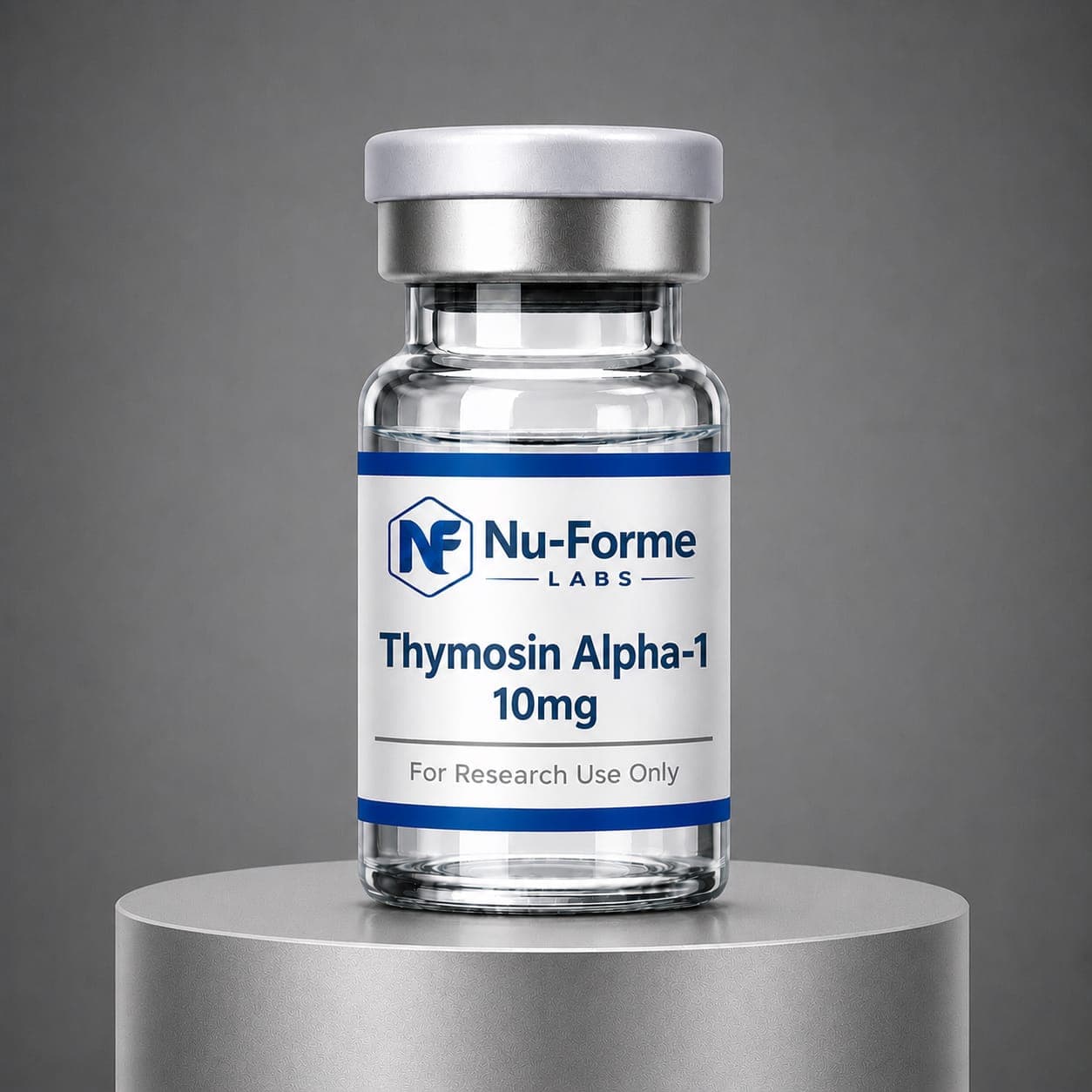
Thymosin Alpha-1, also known as thymalfasin, is a synthetic version of a naturally occurring 28-amino-acid peptide associated with thymus function. It has been studied primarily for its ability to regulate immune responses rather than simply stimulating overall immune activity.
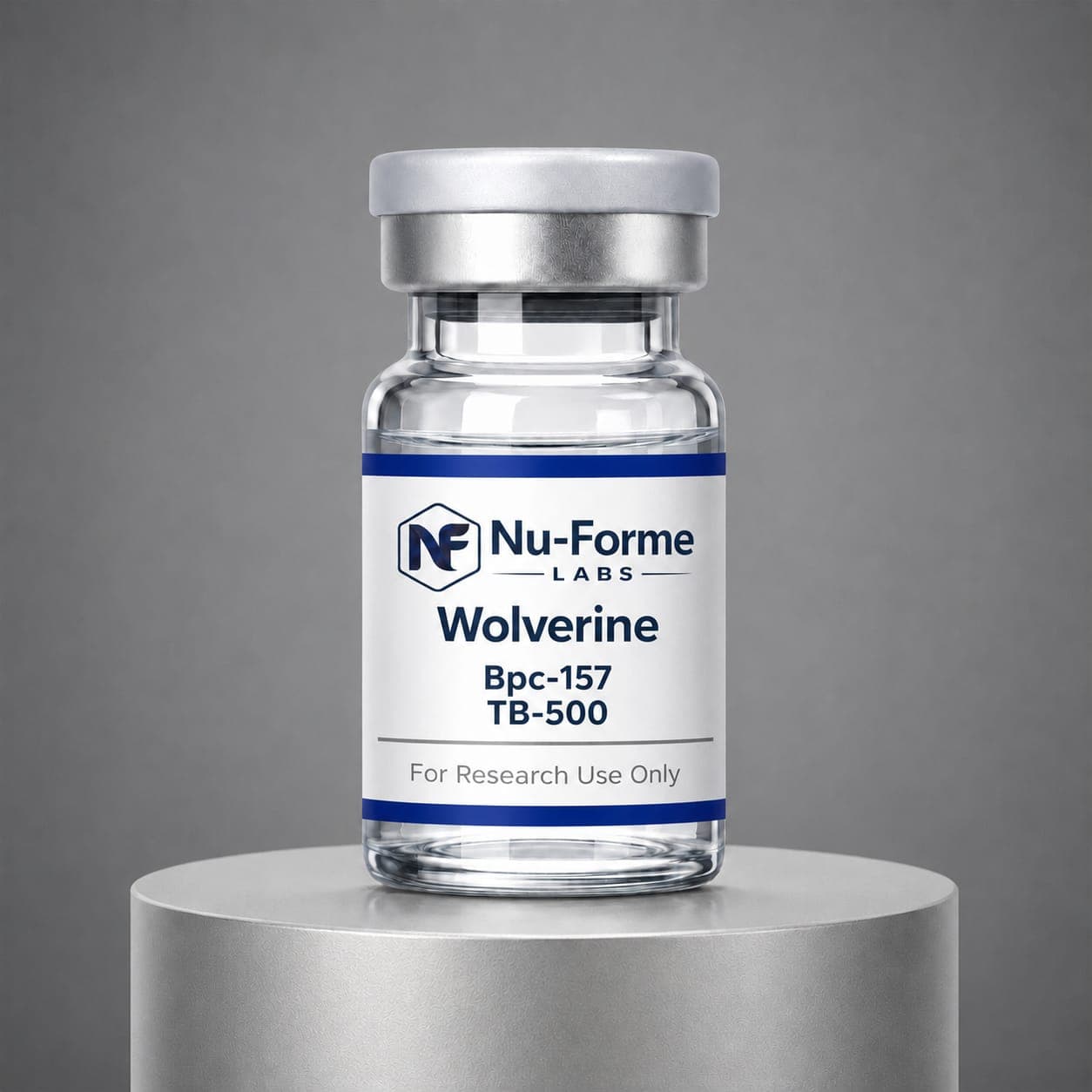
Designed to support faster recovery, tissue repair, joint health, and overall physical performance.
The live catalog, cart, and checkout flow are authoritative for current products, variants, prices, inventory, and totals.
Canadian orders ship free when the merchandise subtotal is at least $150 CAD. Orders below that threshold use a flat $25.00 CAD shipping charge.
Orders remain pending until the e-transfer is reviewed and marked paid by an admin.
No. Editorial content is guidance only. Checkout calculates totals server-side from the current cart and shipping rules.